Dead Tree Removal in Allentown, PA
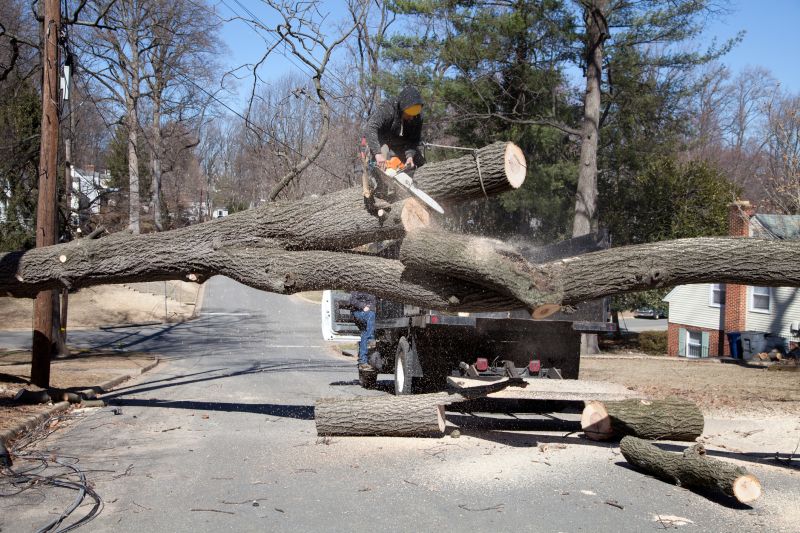
Dead tree removal services involve safely and efficiently removing trees that are dead, decaying, or pose a hazard to the property. This type of project typically covers situations where a tree has become unstable, shows signs of disease, or has been damaged by storms, making it a safety concern or an obstacle for landscaping and property maintenance. Homeowners often seek this service to prevent potential damage to structures, reduce the risk of falling branches, or to improve the overall appearance of their yard.
Before requesting dead tree removal, property owners should consider the size, location, and condition of the tree, as well as any potential challenges such as proximity to power lines, structures, or other landscaping features. Understanding these factors can help determine the scope of the work needed and ensure proper planning for safe removal. Consulting with a professional can provide clarity on the best approach to eliminate the hazard while protecting surrounding property.
Many property owners in Allentown, PA look into Dead Tree Removal for repairs, replacements, upgrades, and appearance-related improvements.
Reasons For Dead Tree Removal
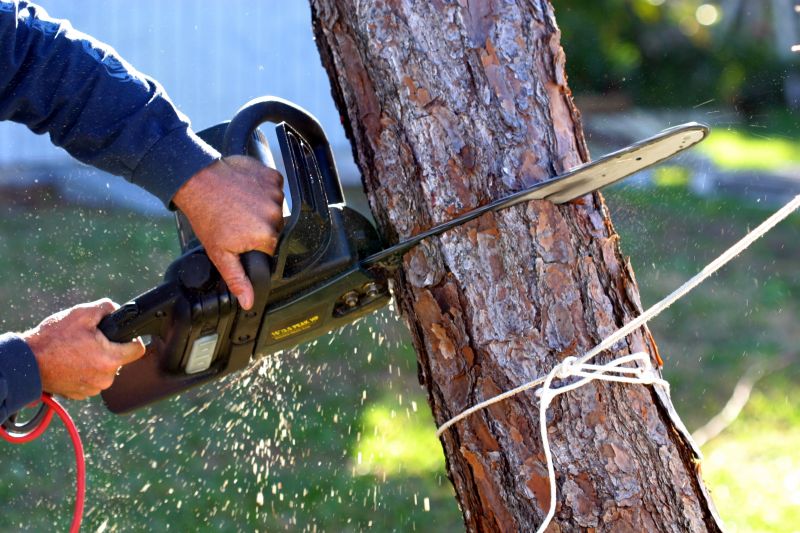
Removing dead trees helps prevent property damage and enhances safety around your home.
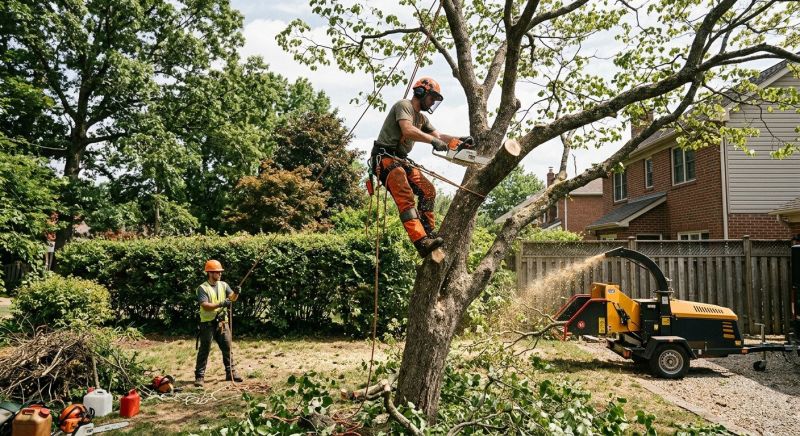
Signs A Tree Needs Removal
Indicators include dead or dying branches, fungal growth, and significant trunk damage.
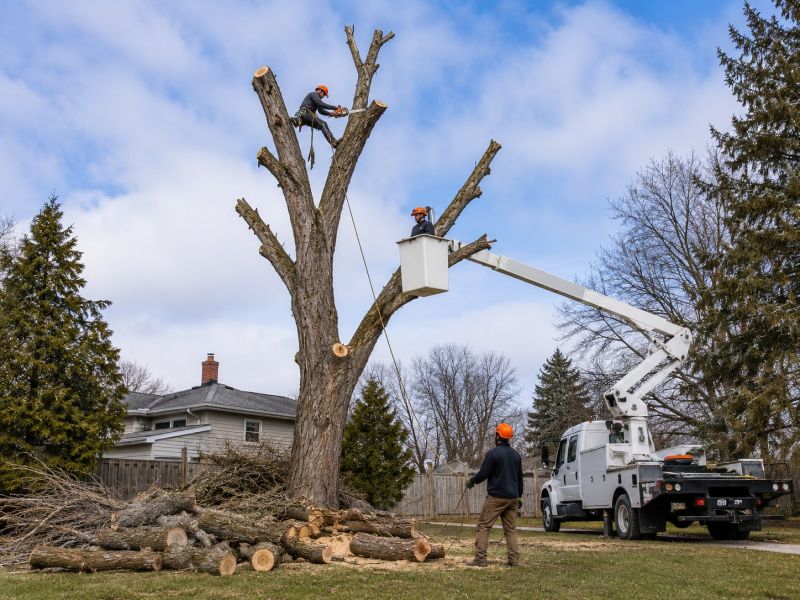
Benefits Of Professional Removal
Expert services ensure safe, efficient removal and minimize impact on your landscape in allentown, pa.
Dead Tree Removal in Allentown, PA
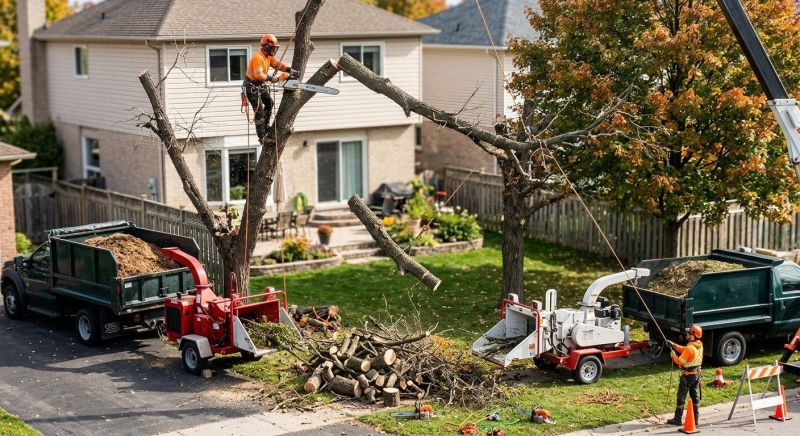
Dead tree removal services involve safely and efficiently removing trees that are dead, decaying, or pose a hazard to the property. This type of project typically covers situations where a tree has become unstable, shows signs of disease, or has been damaged by storms, making it a safety concern or an obstacle for landscaping and property maintenance. Homeowners often seek this service to prevent potential damage to structures, reduce the risk of falling branches, or to improve the overall appearance of their yard.
Before requesting dead tree removal, property owners should consider the size, location, and condition of the tree, as well as any potential challenges such as proximity to power lines, structures, or other landscaping features. Understanding these factors can help determine the scope of the work needed and ensure proper planning for safe removal. Consulting with a professional can provide clarity on the best approach to eliminate the hazard while protecting surrounding property.
Many property owners in Allentown, PA look into Dead Tree Removal for repairs, replacements, upgrades, and appearance-related improvements.
Common Dead Tree Removal Jobs
Dead Tree Removal - safely removes hazardous or decayed trees from residential properties.
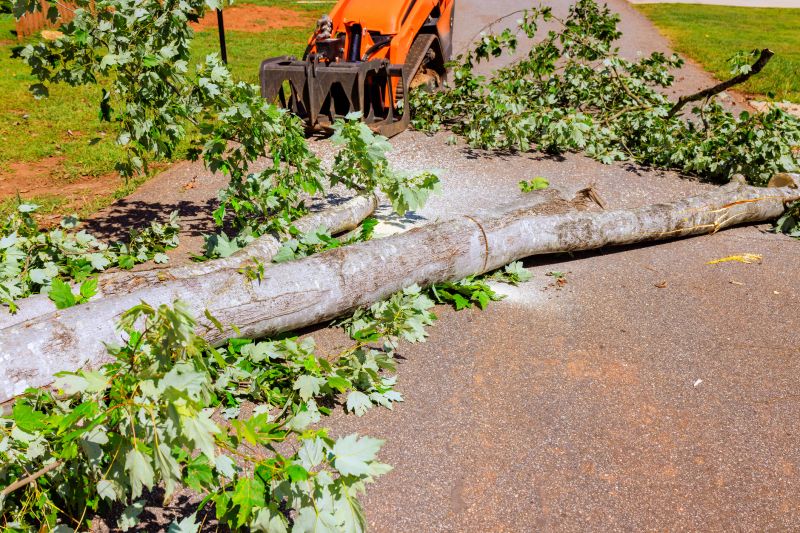
Storm Damage Cleanup - clears fallen or broken dead trees after severe weather events.
Tree Health Assessment - identifies dead or dying trees that may pose safety risks.
Property Maintenance - maintains landscape safety by removing dead or decaying trees.
Emergency Tree Removal - responds to urgent situations involving unstable dead trees.
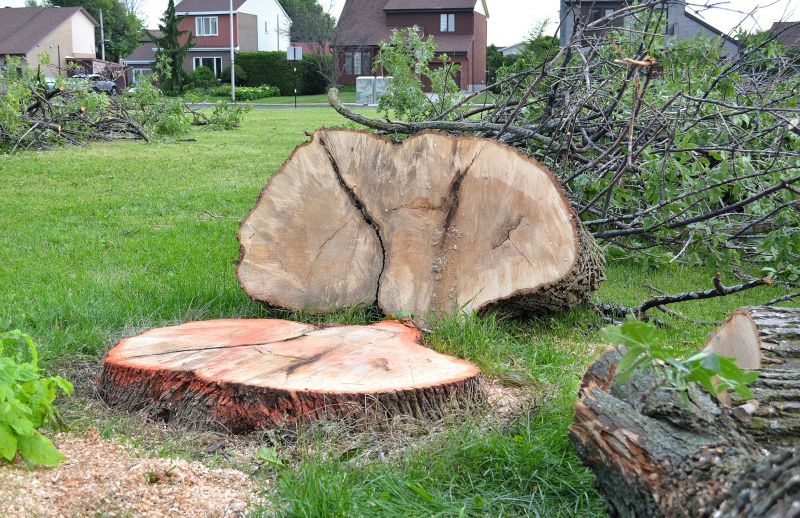
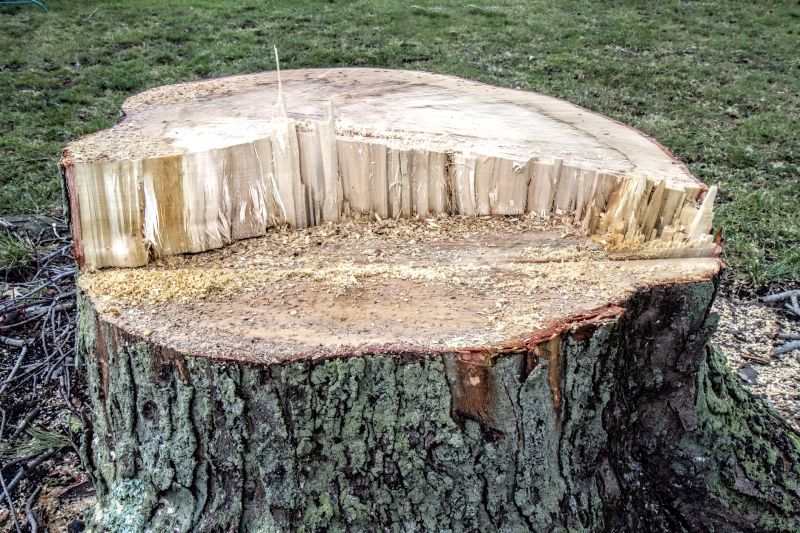
Stump Grinding - eliminates remaining tree stumps after dead tree removal.
Dead Tree Removal Questions
Why should dead tree removal be considered? Removing dead trees helps prevent potential hazards like falling branches and property damage, improving safety and appearance.
What types of trees are typically removed? Commonly removed trees include those that are dead, dying, or severely damaged, especially if they pose risks to structures or nearby people.
Is dead tree removal necessary for landscape health? Yes, removing dead trees can promote healthier growth for surrounding plants and maintain the overall landscape appearance.
What property features can be affected by dead trees? Dead trees can threaten power lines, fences, driveways, and other structures if they become unstable or fall apart.
Request Dead Tree Removal in Allentown, PA
Use the quote form on this page to share the basics of your project and request more information for the type of work you need.